
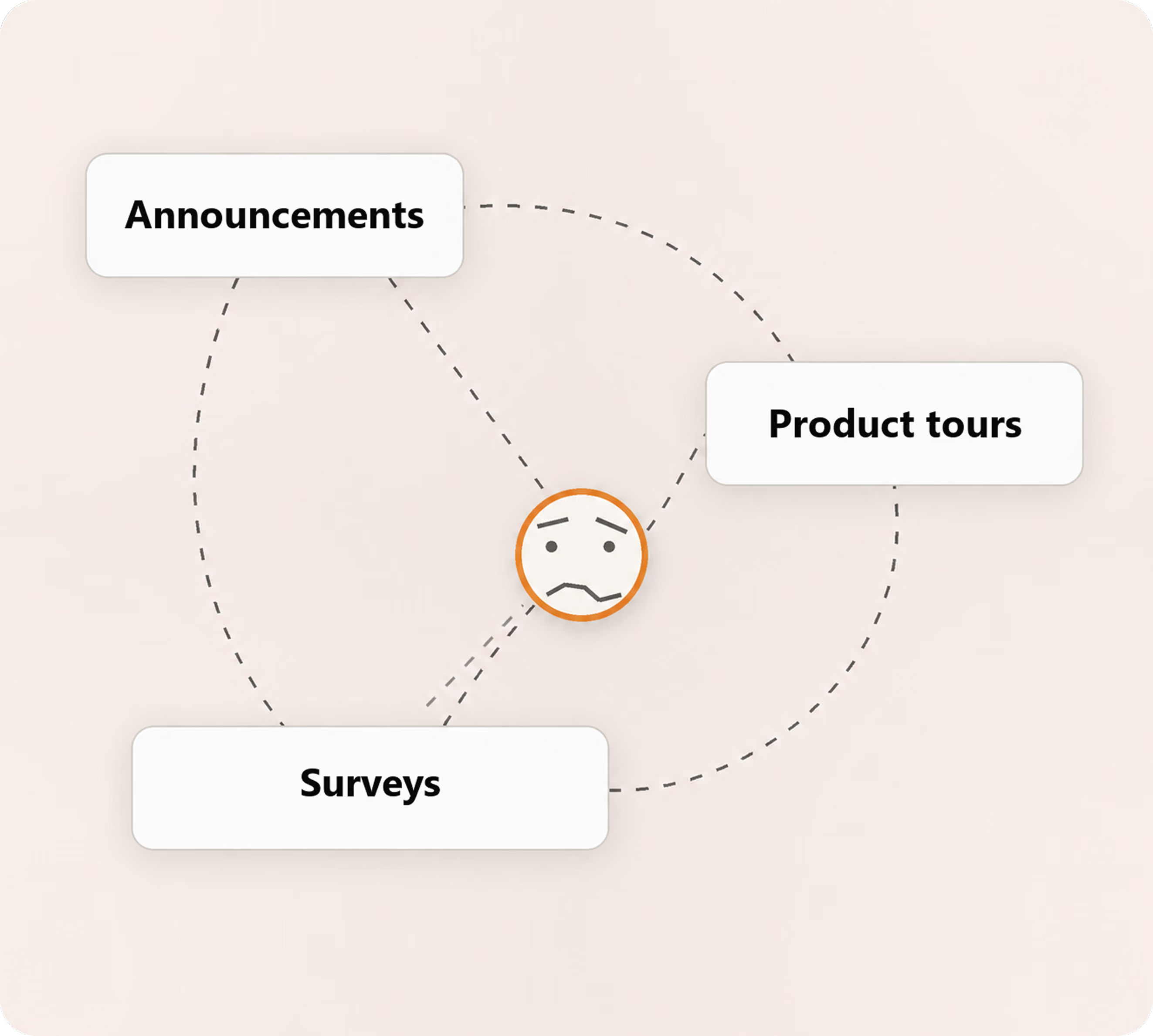
A tool for announcements, a separate one to explain them, another one for feedback. Three tools, zero connection.


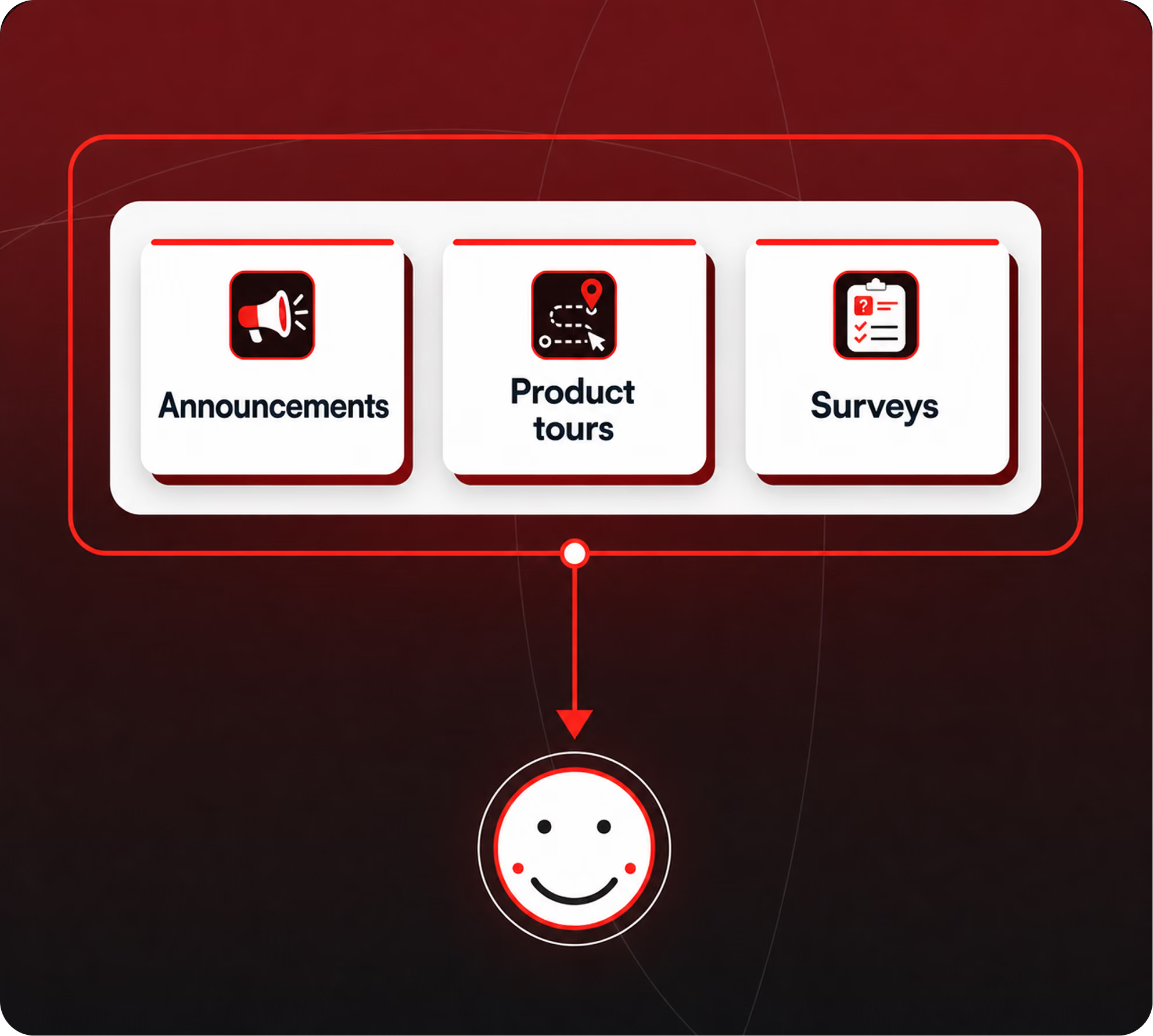
Announcements, guidance and surveys all built from a single flow, in one platform.



We are launching a lot of features every quarter, but we don't see adoption.
One of our biggest bottlenecks right now is just making sure our users are aware of new features that we're rolling out.
With respect to product adoption: how can we make more customers aware about the features that we're releasing at a very high pace?
Stop treating adoption as a hope. Announce inside the product, show people how it works, measure who actually clicked, and go back for the ones who missed it.
A release note email in an inbox competes with everything else in that inbox. A banner inside the product doesn't.
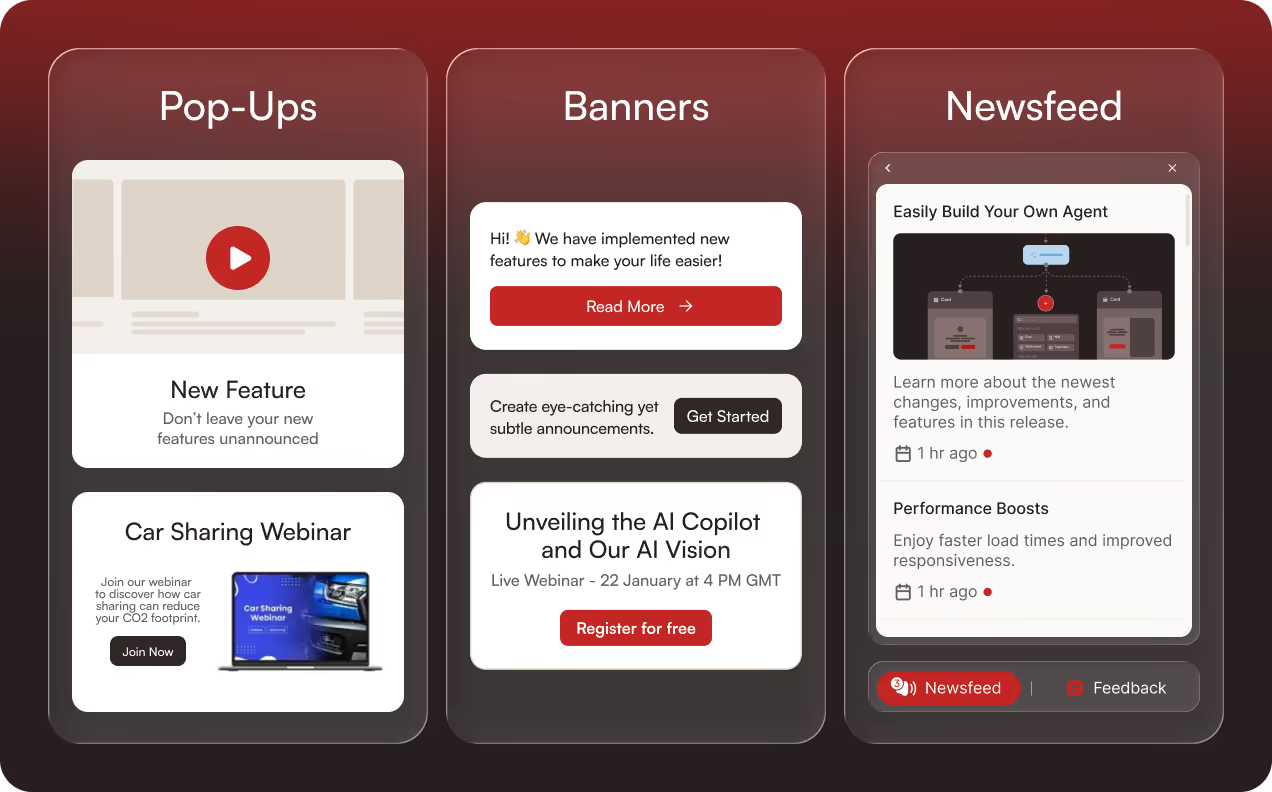
Newsfeed post, banner or pop-up the moment the feature ships
Trigger on next login or any other event
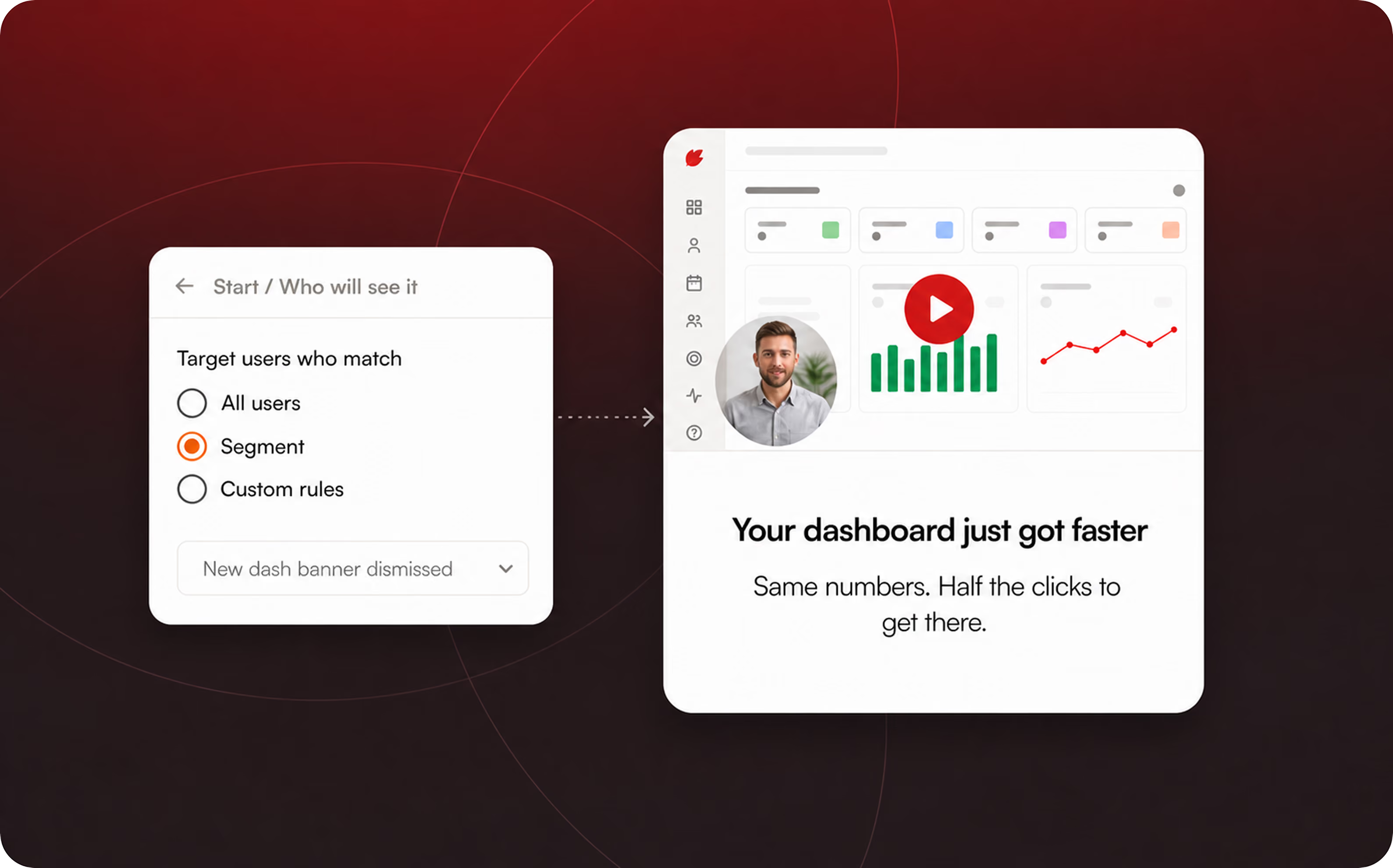
Segment so only the accounts with access to the feature see it
A banner or newsfeed tells users a new feature exists. New feature tour or a hint in the UI gets them to actually try it.
Pair every announcement with a tour showing how to use it
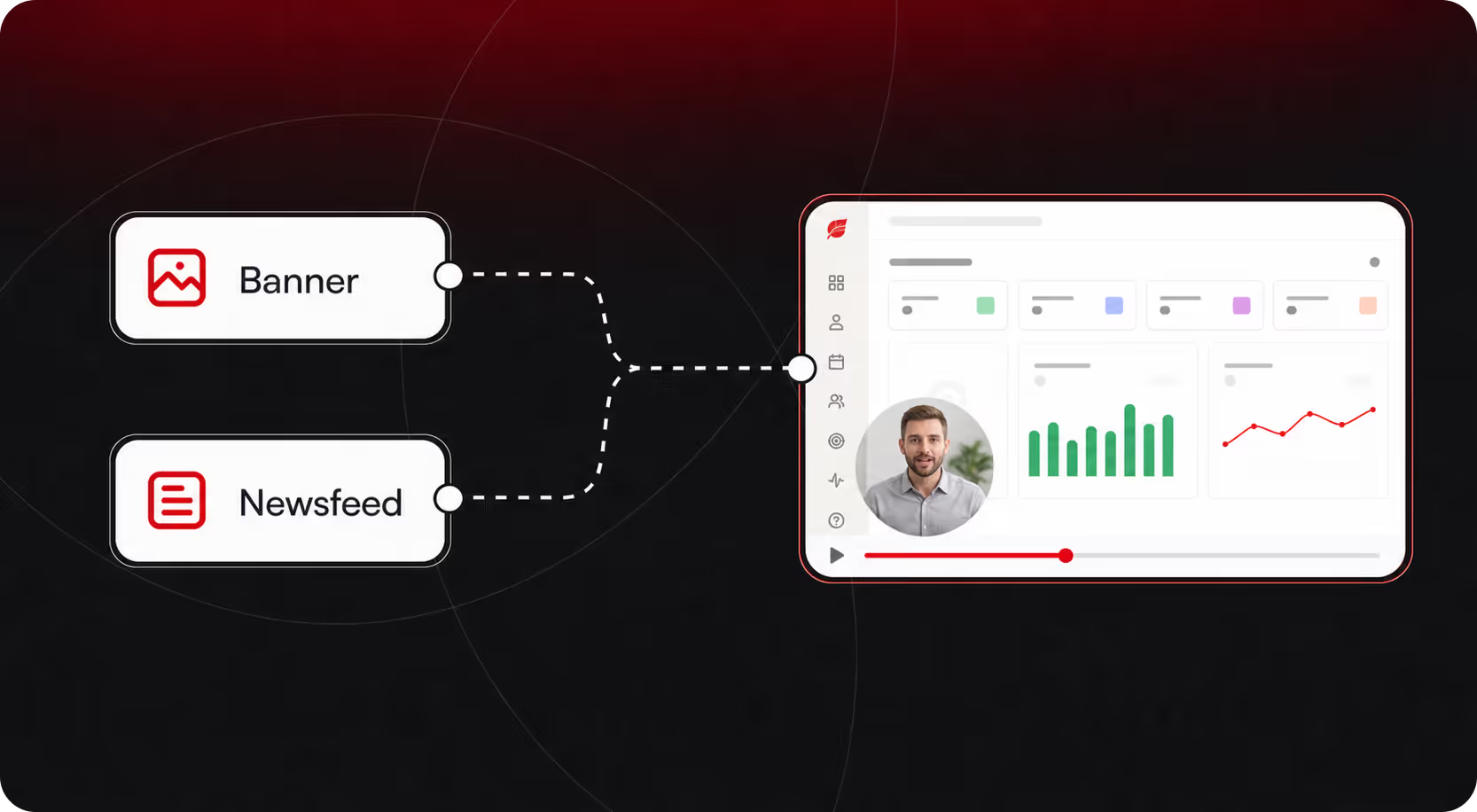
Add a video card, it sells the feature faster than a paragraph of text
The hint stays visible until the user tries it or dismisses it
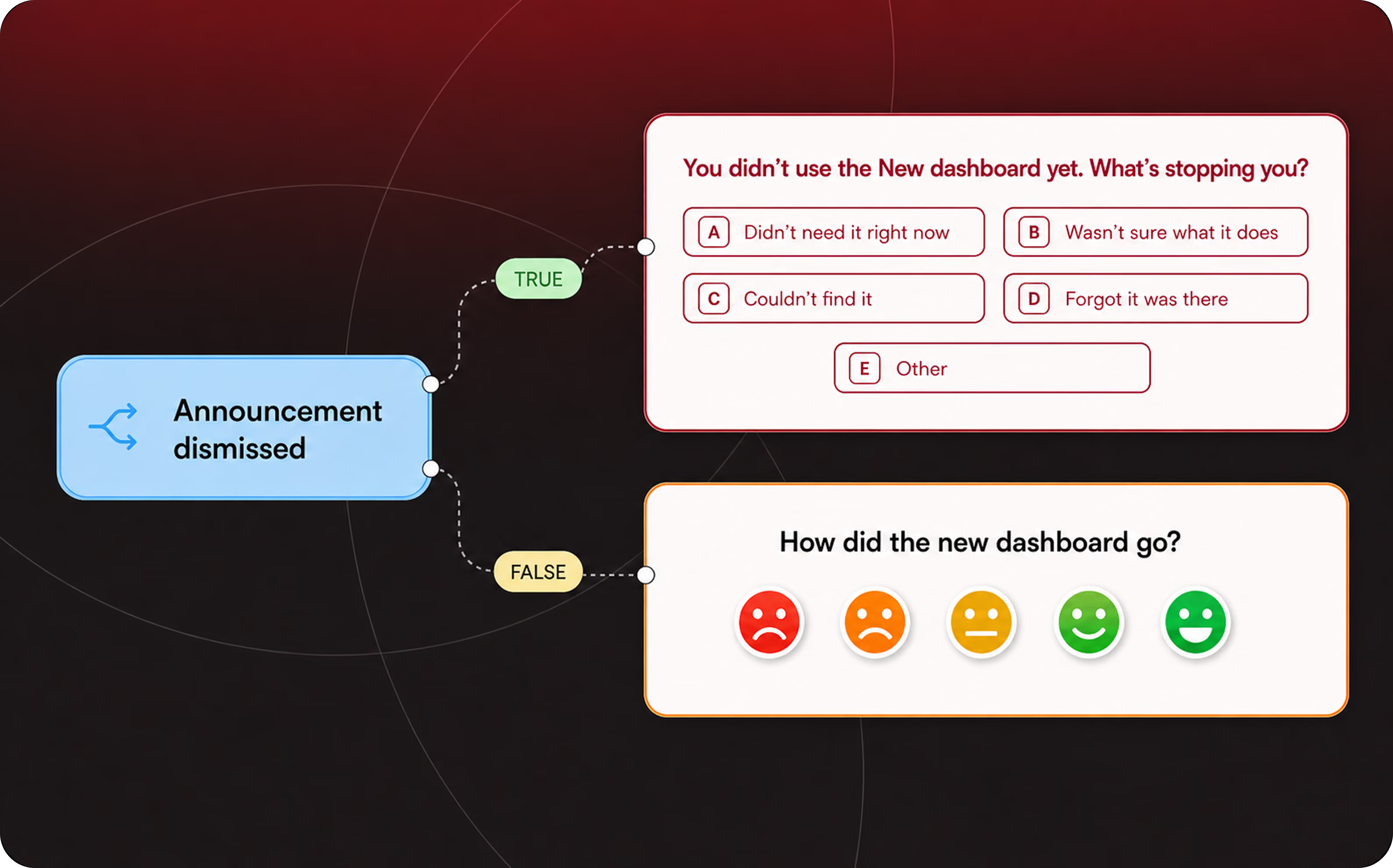
A click tells you they saw the announcement. It doesn't tell you why they skipped the feature, or what they thought once they tried it. A short survey does.
Trigger a survey right after someone tries the new feature
Send a different survey to users who never opened the announcement
Bring what customers actually said into the next roadmap review
Most users dismiss the first banner. That's not rejection, that's timing. Catch them later, in context.
Re-trigger the announcement for users who dismissed it
Behavior-based hint: land on the old workflow, see a nudge pointing at the new one
Feature adoption becomes a loop that runs itself, not a one-time email
A tool for announcements, a separate one to explain them, another one for feedback. Three tools, zero connection.
Announcements, guidance and surveys all built from a single flow, in one platform.
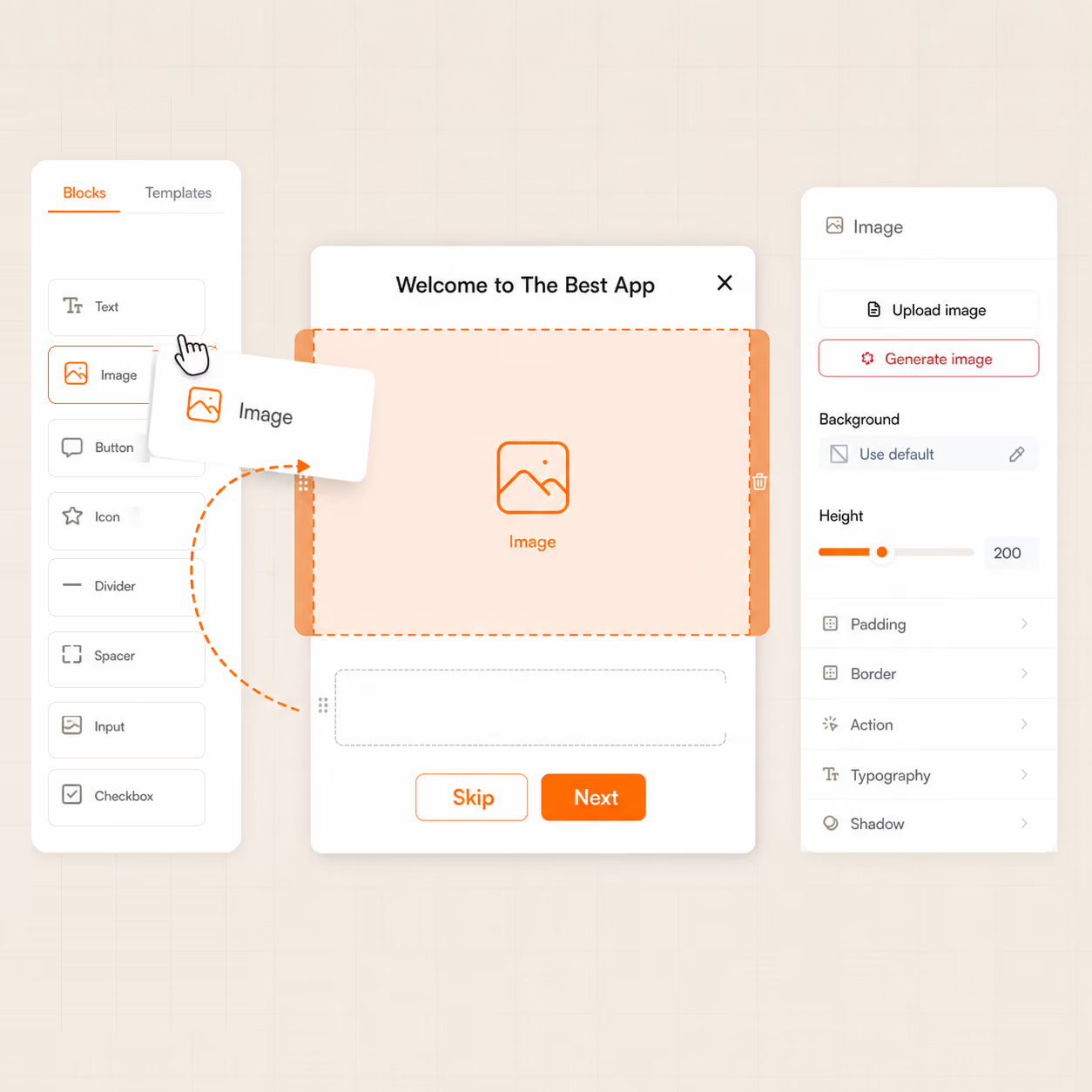
Most release communication sits behind a sprint. The PM writes the copy, engineering has to wire it up and by the time it ships the feature's been live for two weeks. With Product Fruits, the PM builds and publishes the announcement themselves.
Build it in a drag-and-drop editor, no code, no ticket
Preview on your live app before users see it
Publish instantly, or schedule for release day
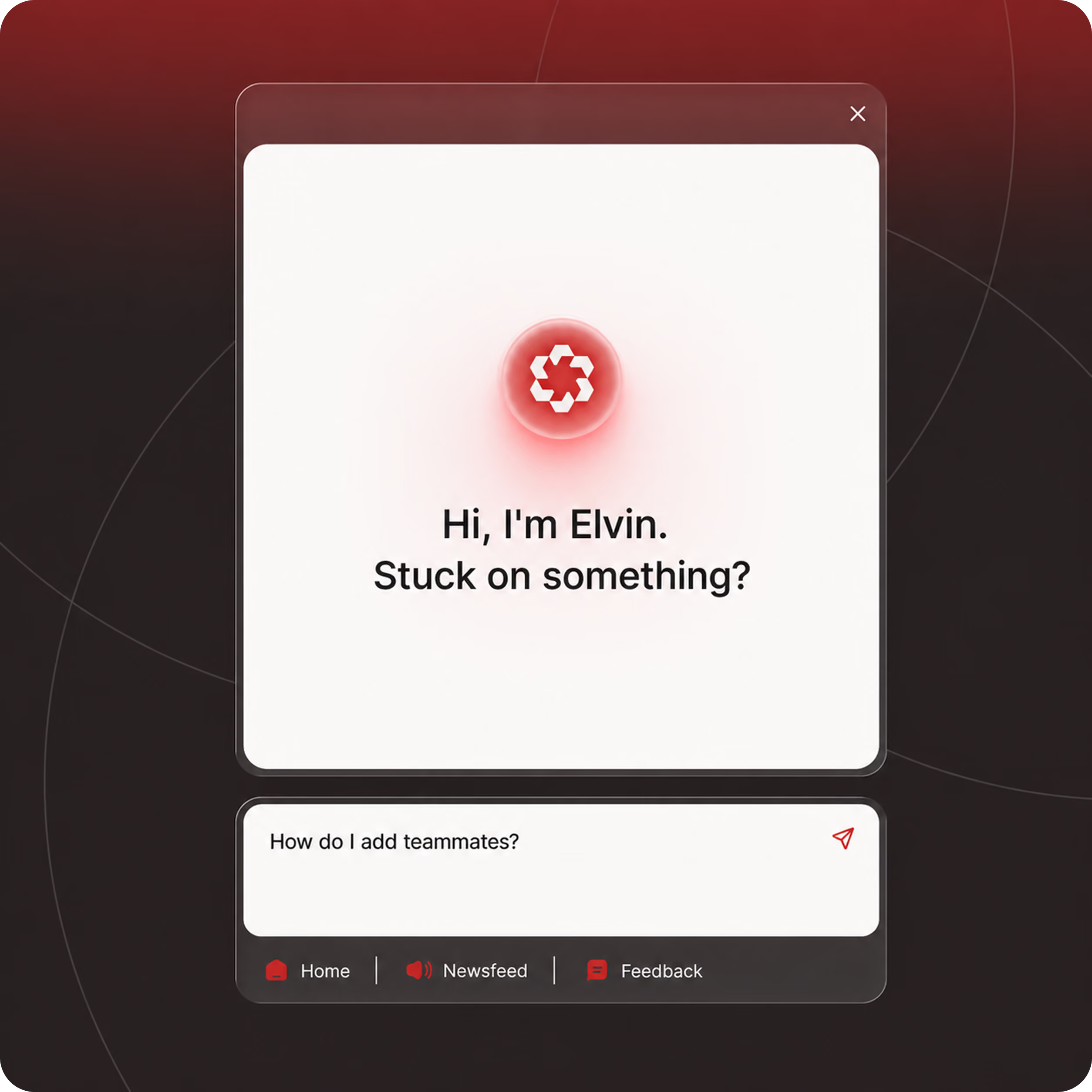
Every release triggers the same flood of "how do I" questions. Elvin (our onboarding agent) answers them in-app, from your own content, so the PM isn't fielding a Slack thread every time something ships.
"Product Fruits exceeded my expectations. It’s easy to set up, very intuitive for end users and provides all the essential features I need to guide and engage new customers."
"I appreciate the autonomy it gives the product team. I can create tooltips, checklists, communicate product changes or new products directly through the interface, with highly flexible segmentation rules."
"Product Fruits is a game-changer for user engagement! Personalized welcome messaging drives real impact, outperforming email marketing. It's more than a tool—it's a partner in success!"
"The breadth that Product Fruits covers is great. We're able to get real-time insights and feedback from our clients, instantly plug it into our internal systems, and iterate."

G2 leader
"Product Fruits offers a wide range of features that align well with our business requirements. We use this tool to gather feedback, share resources and maintain communication with our users."
"I was impressed with my first experience using Product Fruits. It's helping us to relieve my customer success team when introducing our SaaS software to new customers."
"I can easily and quickly deploy announcements and provide contextual help to customers without releasing any code to our app."
"It helps our team launch new features smoothly because users are guided directly inside the product instead of reading long documentation."