Top 10 tools That Increase SaaS Product Adoption Rates in 2025


TLDR:
Pick based on your specific situation. Need AI-powered personalization? Product Fruits delivers that. Need extensive analytics? Pendo or Userpilot. Tight budget? UserGuiding provides basics affordably.
The most important step is starting. Poor product adoption costs customers daily. Adoption tools fix these problems immediately, not eventually.
Test with real users. Track actual results. Iterate based on data. The technology exists now to activate users at rates that were impossible just a few years back.
Explore different use cases to see how companies across industries implement adoption tools. Compare approaches between no-code solutions and AI-driven implementations.
Ready to increase product adoption rates? Use Product Fruits and let Elvin AI build personalized adoption experiences for every user automatically. See how AI-driven agents optimize adoption or learn about creating interactive tutorials.
Top 10 tools That Increase SaaS Product Adoption Rates in 2025
Tools that increase product adoption rates include Product Fruits, Pendo, Userpilot, Appcues, and UserGuiding. These platforms help users reach their first success faster through guided onboarding, in-app messaging, and analytics. Product Fruits stands out by using Elvin AI to automatically generate personalized adoption experiences, achieving 64% activation rates compared to the 25% industry average.
Product adoption rate measures the percentage of users who complete meaningful actions in your product. Low adoption means wasted acquisition spend and high churn. The right tools turn new signups into active, successful users.
What Are Product Adoption Tools for SaaS?
Product adoption tools help users understand and get value from software products. These tools typically include onboarding flows, tooltips, surveys, announcements, and analytics that track how users progress through adoption milestones.
The goal is simple: get more users to their first win faster. Every day users spend confused is a day closer to churning. Adoption tools remove that confusion.
Core capabilities include:
- Guided product tours that show users what to do
- Contextual hints and tooltips that appear when needed
- Onboarding checklists that track progress
- In-app announcements for new features
- Analytics showing where users struggle
- Surveys collecting user feedback
- Knowledge bases for self-service help
Different tools emphasize different capabilities. Some focus on analytics. Others prioritize communication. The best tools combine multiple approaches to address adoption from every angle.
Why Product Adoption Tools Matter for your SaaS?
Building adoption features into your product code requires developer time. Each new onboarding flow needs engineering work. Every tooltip change goes through development cycles. This creates bottlenecks that slow adoption improvements.
Adoption tools remove that dependency. Product managers build and launch adoption experiences through visual editors. No code required. No deployment processes. Changes go live immediately.
Speed matters because user behavior changes constantly. An onboarding flow that works this month might fall flat next month. Adoption tools let teams iterate fast enough to keep up.
The impact shows clearly. Products without adoption tools activate 20-30% of new users. Products with good adoption tools activate 50-70% of new users. That difference determines whether SaaS companies succeed or struggle.
Top 10 Tools That Increase SaaS Product Adoption Rates
1. Product Fruits
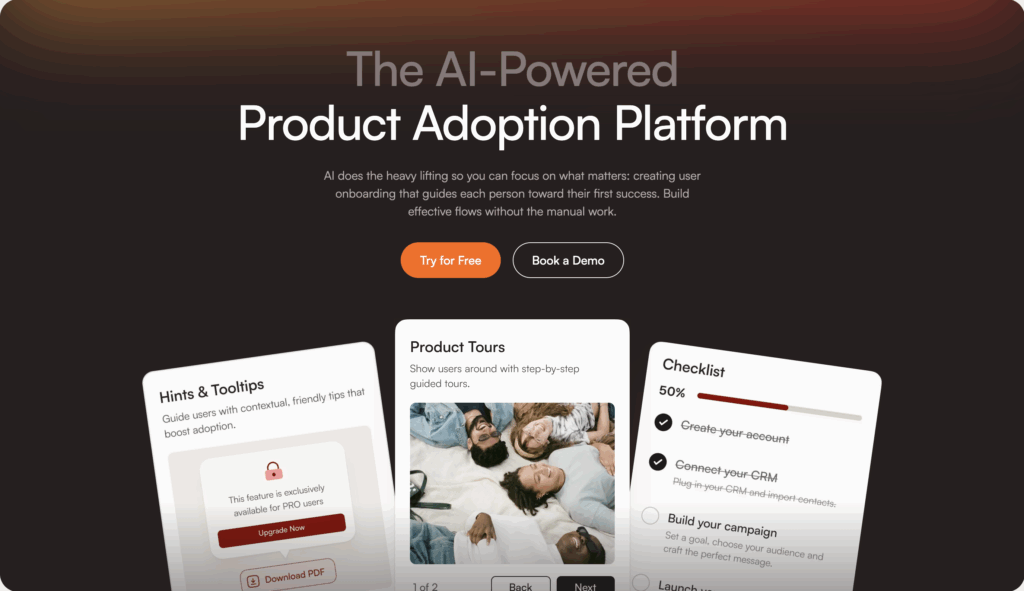
Product Fruits uses Elvin AI to automate product adoption. Instead of manually building onboarding for every user segment, Elvin generates personalized experiences automatically based on user attributes and behavior.
Key Adoption Features:
- AI-generated product tours that adapt to each user
- Elvin Copilot provides instant answers from your knowledge base
- Onboarding checklists guide users through key activation steps
- Tooltips and hints for contextual guidance
- In-app announcements and newsfeeds
- NPS surveys and feedback collection
- Built-in analytics tracking adoption metrics
- Knowledge base with AI-powered search
Best For: SaaS companies with diverse user segments who need personalized adoption paths without manual building. Teams that want AI to handle personalization automatically.
Adoption Results:
- 64% average activation rate for customers
- Keboola accelerated onboarding by 29%
- FitnessPlayer reduced churn by 70%
- Chemsoft cut support tickets by 30%
Why It Works: Traditional tools require building separate onboarding for each user type manually. Product Fruits' AI does this automatically. A marketing manager gets different guidance than a developer without anyone building two separate flows. See the how it works page for implementation details.
2. Pendo
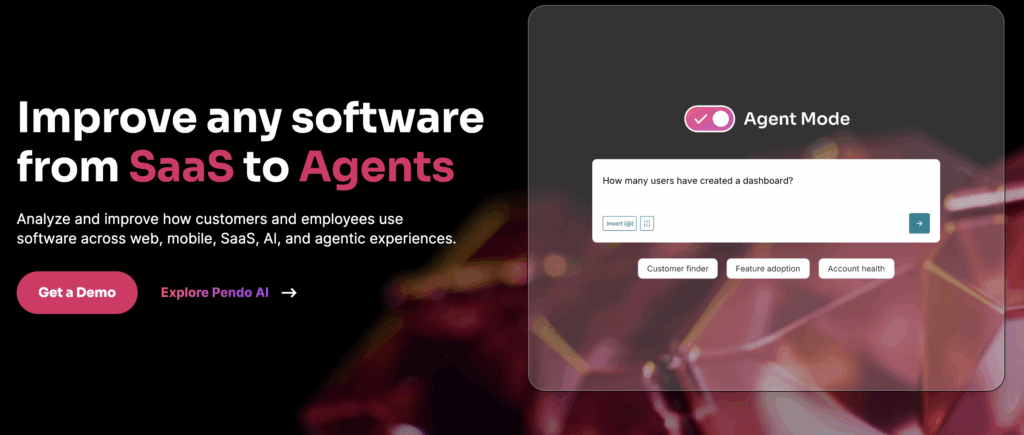
Pendo combines product analytics with adoption tools. Teams can see where users struggle and build interventions at those exact points. The platform emphasizes data-driven adoption decisions.
Key Adoption Features:
- Product tours and walkthroughs
- In-app guides and tooltips
- Resource center for help content
- Detailed analytics and dashboards
- User segmentation
- A/B testing capabilities
- Mobile app support
Best For: Product-led companies that want adoption tools and analytics in one platform. Teams with dedicated product operations resources.
Limitations: Complex setup process. Higher price point. Requires significant time investment to use effectively.
Pricing: Custom enterprise pricing. Typically starts above $20,000 annually.
3. Userpilot
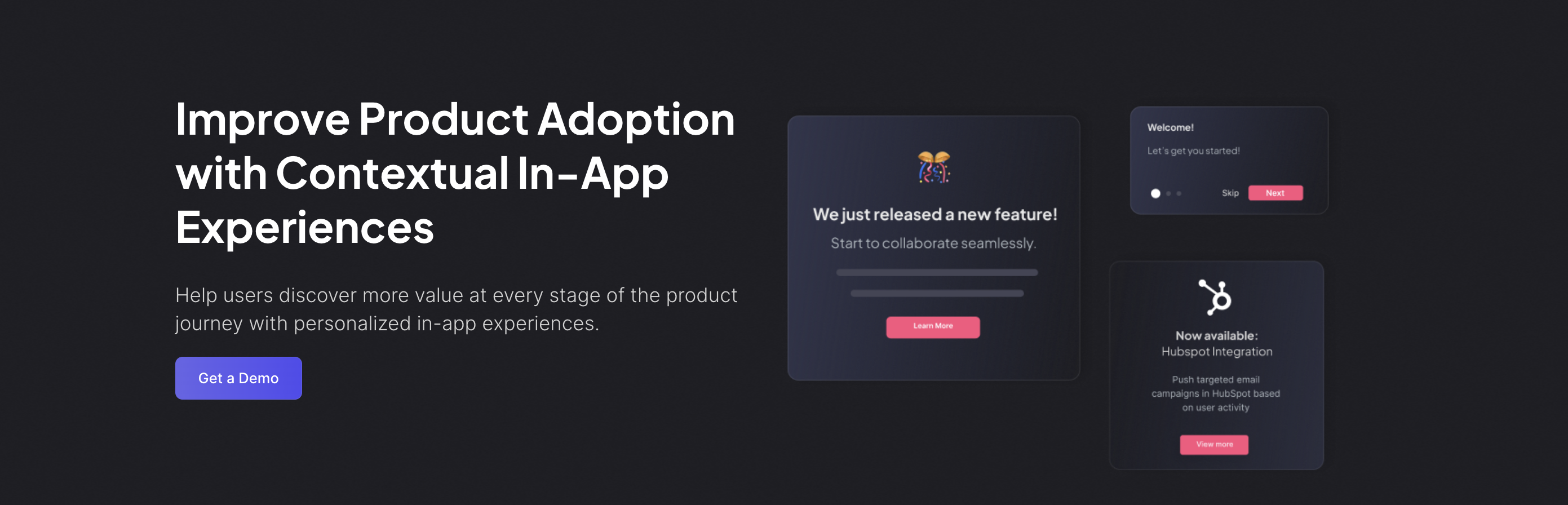
Userpilot targets mid-market SaaS companies with a balance of features and usability. The platform provides onboarding tools, analytics, and feedback collection without overwhelming complexity.
Key Adoption Features:
- Product tours and checklists
- Tooltips and modals
- Event tracking without code
- User segmentation
- In-app surveys
- A/B testing
- Analytics dashboard
Best For: Growing SaaS companies that need more than basic tools but aren't ready for enterprise platforms. Teams that want onboarding and analytics together.
Limitations: Less AI or automation compared to newer platforms. Some advanced features locked behind higher pricing tiers.
Pricing: Starts at $249/month. Scales with features and user volume.
4. Appcues
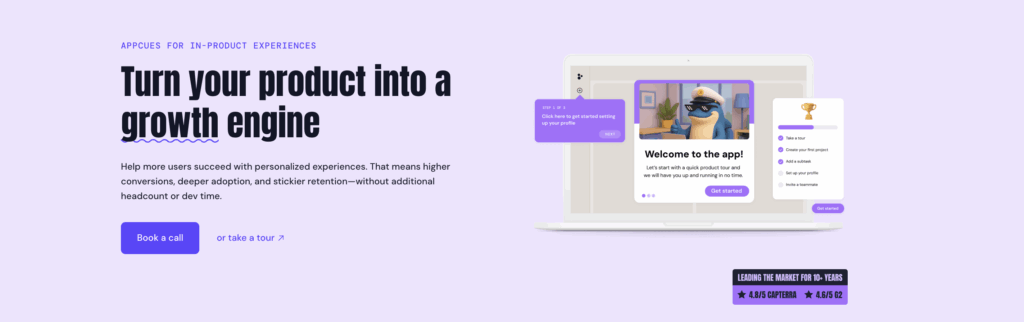
Appcues pioneered the no-code onboarding category. The visual builder lets teams create product tours, tooltips, and surveys without developer involvement. Extensive integration options connect to most common tools.
Key Adoption Features:
- Visual tour builder
- Checklists and progress tracking
- Tooltips and modals
- Mobile SDKs for iOS and Android
- A/B testing
- User segmentation
- NPS surveys
Best For: Established SaaS companies with design-conscious product teams who want granular control over onboarding appearance and behavior.
Limitations: No AI capabilities. All experiences built manually. Premium pricing.
Pricing: Starts at $300/month. Additional costs for mobile and advanced features.
5. UserGuiding
UserGuiding focuses on simplicity and fast implementation. Setup takes hours instead of days. The straightforward interface works well for teams new to adoption tools.
Key Adoption Features:
- Product tour builder
- Onboarding checklists
- Tooltips and hotspots
- Resource center
- Surveys and NPS
- Analytics dashboard
- Segmentation options
Best For: Small to mid-size teams that need basic adoption tools launched quickly. Companies without dedicated product operations roles.
Limitations: Less sophisticated targeting. No AI features. Limited analytics depth.
Pricing: Starts at $174/month. Reasonable pricing for smaller teams.
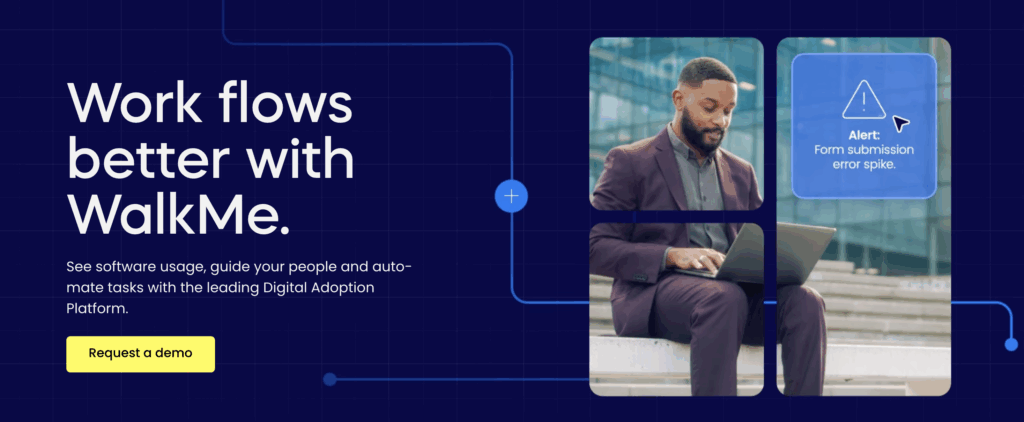
6. WalkMe
WalkMe targets enterprise customers with complex software needs. The platform handles adoption for web applications, desktop software, and internal tools at scale.
Key Adoption Features:
- Smart walkthroughs that adapt to user actions
- Task automation capabilities
- Tooltips and launchers
- Analytics and reporting
- Mobile support
- Enterprise security features
- Multi-application support
Best For: Large enterprises with complex internal tools or enterprise software products. Organizations needing extensive security and compliance features.
Limitations: Enterprise complexity and pricing. Longer implementation timelines. Overkill for smaller companies.
Pricing: Custom enterprise contracts. Typically starts above $10,000 annually.
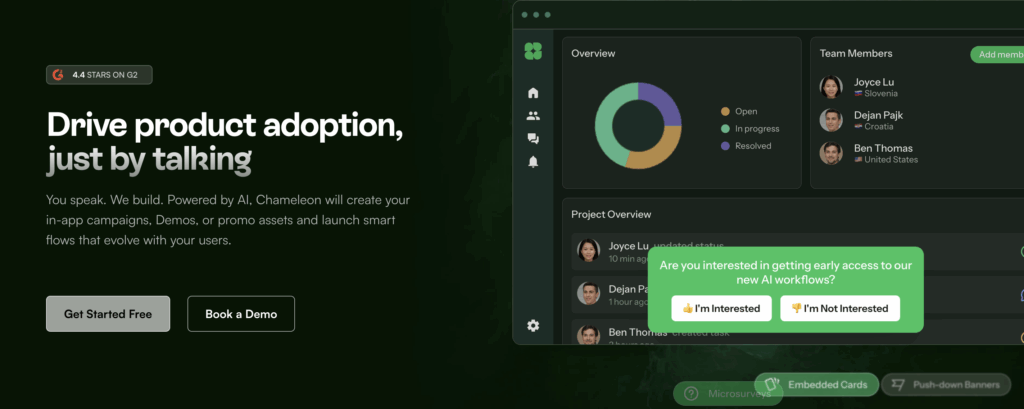
7. Chameleon
Chameleon emphasizes design flexibility and user experience. Teams get full CSS control over how adoption elements look. HelpBar adds a command palette for in-app navigation.
Key Adoption Features:
- Customizable product tours
- Tooltips and modals
- HelpBar search functionality
- Microsurveys
- Tour launchers
- A/B testing
- Custom CSS control
Best For: Design-focused teams that need adoption tools matching exact brand standards. Companies where visual consistency matters significantly.
Limitations: Customization takes time. Higher price point. More complex than simpler alternatives.
Pricing: Starts at $279/month.
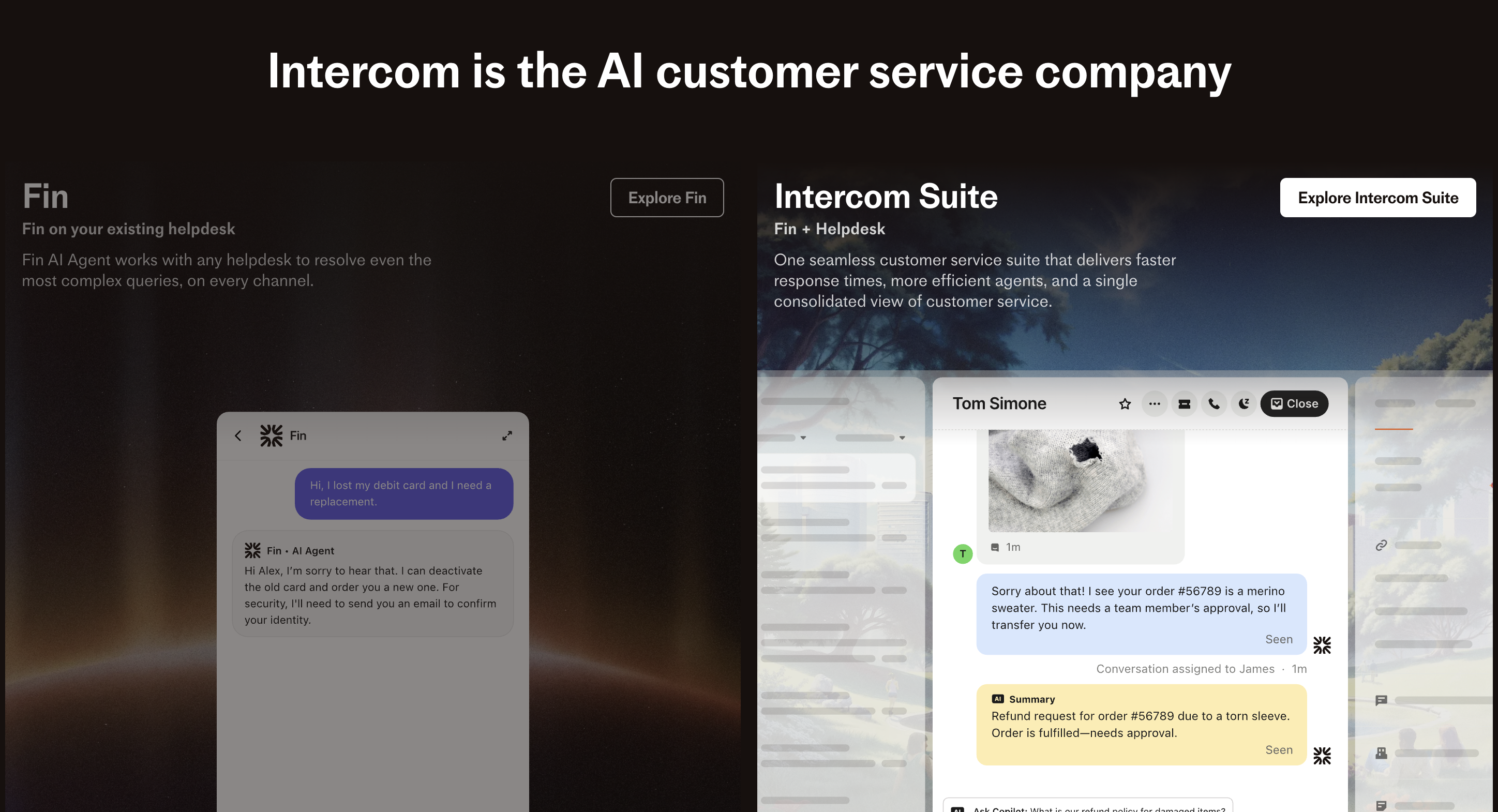
8. Intercom Product Tours
Intercom, known for customer messaging, added product tours to their platform. Teams already using Intercom for support can add adoption tools without another vendor.
Key Adoption Features:
- Product tours
- Tooltips
- Checklists
- Surveys
- Integration with Intercom messaging
- Basic analytics
Best For: Companies already using Intercom for customer communication who want adoption tools in the same platform.
Limitations: Less mature than dedicated adoption platforms. Fewer features. Analytics not as robust.
Pricing: Add-on to existing Intercom plans. Pricing varies based on current plan.
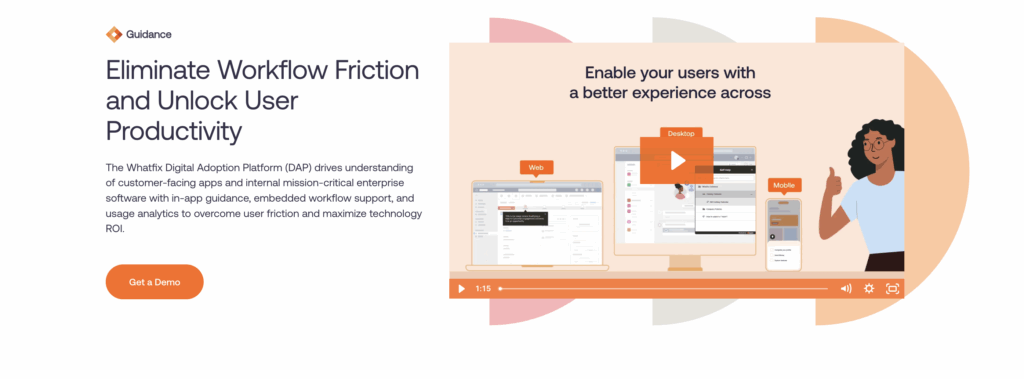
9. Whatfix
Whatfix serves both external product adoption and internal tool training. The platform works across multiple applications, making it useful for complex tech stacks.
Key Adoption Features:
- Multi-application walkthroughs
- Task automation
- Self-help widget
- Analytics
- Content management
- Localization support
Best For: Companies needing adoption tools for multiple applications. Organizations with significant internal training needs.
Limitations: Designed for broader use cases than pure product adoption. More complexity than focused alternatives.
Pricing: Custom pricing based on needs.
10. Commandbar
Commandbar adds a command palette to products, letting users search for features and actions. The platform includes basic onboarding tools alongside the search functionality.

Key Adoption Features:
- Command palette search
- Nudges and tooltips
- Checklists
- User segmentation
- Analytics
- Keyboard shortcuts
Best For: Products serving power users who prefer keyboard navigation. Developer tools and technical products.
Limitations: More focused on search than comprehensive adoption. Fewer onboarding features than full platforms.
Pricing: Starts at $250/month.
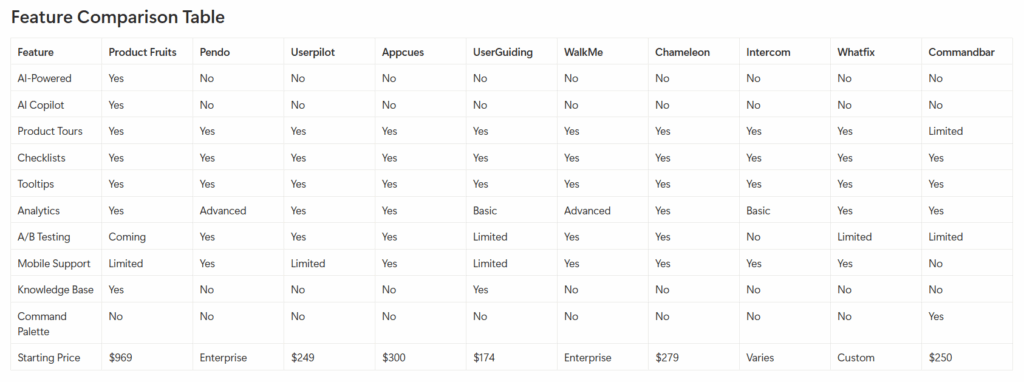
Feature Comparison Table
How do you Choose the Right Product Adoption Tool for your SaaS?
Consider user diversity. Serving multiple industries, roles, or use cases requires sophisticated personalization. Product Fruits' AI handles this automatically. Serving one user type? Simpler tools work fine.
Match team resources. Small teams need tools that work immediately. Large teams can handle complex platforms with longer setup times. Pick based on actual team capacity.
Evaluate budget realistically. Calculate cost per activated user, not just monthly fees. A $900 tool that doubles activation pays for itself quickly. A $90 tool that barely helps wastes money.
Check integration needs. Adoption tools should connect to your analytics, CRM, and support platforms. Verify integrations before committing.
Assess technical requirements. Most modern tools work without developer involvement. Some require ongoing technical support. Know what your team can handle.
Prioritize speed to value. How quickly do results matter? AI-powered tools like Product Fruits generate effective adoption experiences in minutes. Manual tools require hours or days of building.
What are The Best Practices When it comes to implementing tools for SaaS product Adoption?
Start with one critical path. Don't try to improve all adoption at once. Pick the single most important user journey. Optimize that first. Expand after seeing results.
Use progressive disclosure. New users get overwhelmed by too much information. Show one thing at a time. Product tours with 3-5 steps work better than comprehensive 15-step tours.
Personalize based on data. Different user types need different adoption paths. Use the attributes you collect during signup to customize experiences. Product Fruits does this automatically through AI.
Test different approaches. What works for one product might not work for yours. A/B test different onboarding styles, messaging, and sequencing to find what resonates with your specific users.
Track these metrics:
- Activation rate (percentage reaching first value)
- Time to first value
- Feature adoption rates
- Onboarding completion rates
- Drop-off points in flows
Iterate based on results. Watch where users abandon onboarding. Those friction points need attention. Use data to continuously refine adoption experiences.
What are the common mistakes to avoid when implementing Product Adoption for your SaaS?
Implementing without strategy. Tools alone don't improve adoption. Teams need clear adoption goals and plans for achieving them. The tool just makes execution easier.
Building tours for product knowledge, not user knowledge. People building tours understand products deeply. New users don't. Tours that seem obvious to builders confuse actual users.
Forcing experiences on everyone. Some users want to explore independently. Mandatory tours frustrate them. Make adoption guidance available but optional.
Neglecting mobile users. If users access products on phones, adoption experiences need to work there. Test thoroughly on mobile devices.
Setting and forgetting. Adoption needs aren't static. Products change. User expectations evolve. Review and update adoption experiences quarterly.
Ignoring support questions. Support tickets reveal where users struggle. These struggles indicate where adoption tools should focus. Connect adoption strategy to support data.
Integration Considerations
Adoption tools need to connect with existing systems:
Analytics platforms like Segment, Mixpanel, or Amplitude track adoption events alongside other product metrics. This unified view shows how adoption tools impact overall engagement.
CRM systems like HubSpot or Salesforce use adoption data to inform sales and customer success efforts. Teams can see which accounts engage with onboarding and which need outreach.
Support platforms like Intercom or Zendesk connect adoption to support tickets. Teams can see which features generate support questions and address confusion through better onboarding.
Communication tools like Slack notify teams about adoption metrics and user progress. Quick visibility helps teams respond to adoption issues fast.
Product Fruits integrates with all major platforms. Most adoption tools offer similar integration options.
How do you measure ROI when choosing a Product Adoption Tool for your SaaS?
Track these metrics to understand adoption tool value:
User metrics:
- Activation rate before and after implementation
- Time to first value
- Feature adoption rates
- User retention at 7, 30, and 90 days
- Expansion revenue from deeper product usage
Operational metrics:
- Support ticket volume changes
- Time support spends on onboarding questions
- Sales cycle length changes
- Customer success team efficiency
Financial metrics:
- Customer acquisition cost impact
- Lifetime value changes
- Churn rate improvements
- Revenue per user increases
Calculate the value of percentage point improvements in activation. If you add 1,000 users monthly and improve activation from 25% to 50%, that's 250 additional activated users monthly. What's each activated user worth? That's your adoption tool ROI.
Most teams see positive ROI within the first quarter of implementation. The tools pay for themselves through reduced churn and increased expansion revenue.
How to decide which product adoption tools to use for your SaaS?
When evaluating adoption tools, ask:
- How long does setup actually take from purchase to live?
- Can non-technical team members build and launch experiences?
- What happens when our product UI changes significantly?
- How does personalization work across different user segments?
- What analytics come standard versus requiring add-ons?
- How does pricing scale as we grow users?
- What support exists during implementation?
- Can we export our data if we switch tools?
- What integrations work out of the box?
- How frequently do you update the platform?
Vendor answers reveal how tools actually work versus marketing promises. Pay attention to implementation timelines, ongoing maintenance requirements, and hidden costs.


Weekly newsletter
Get the latest releases, tips, articles, and exclusive interviews delivered to your inbox weekly—no spam!